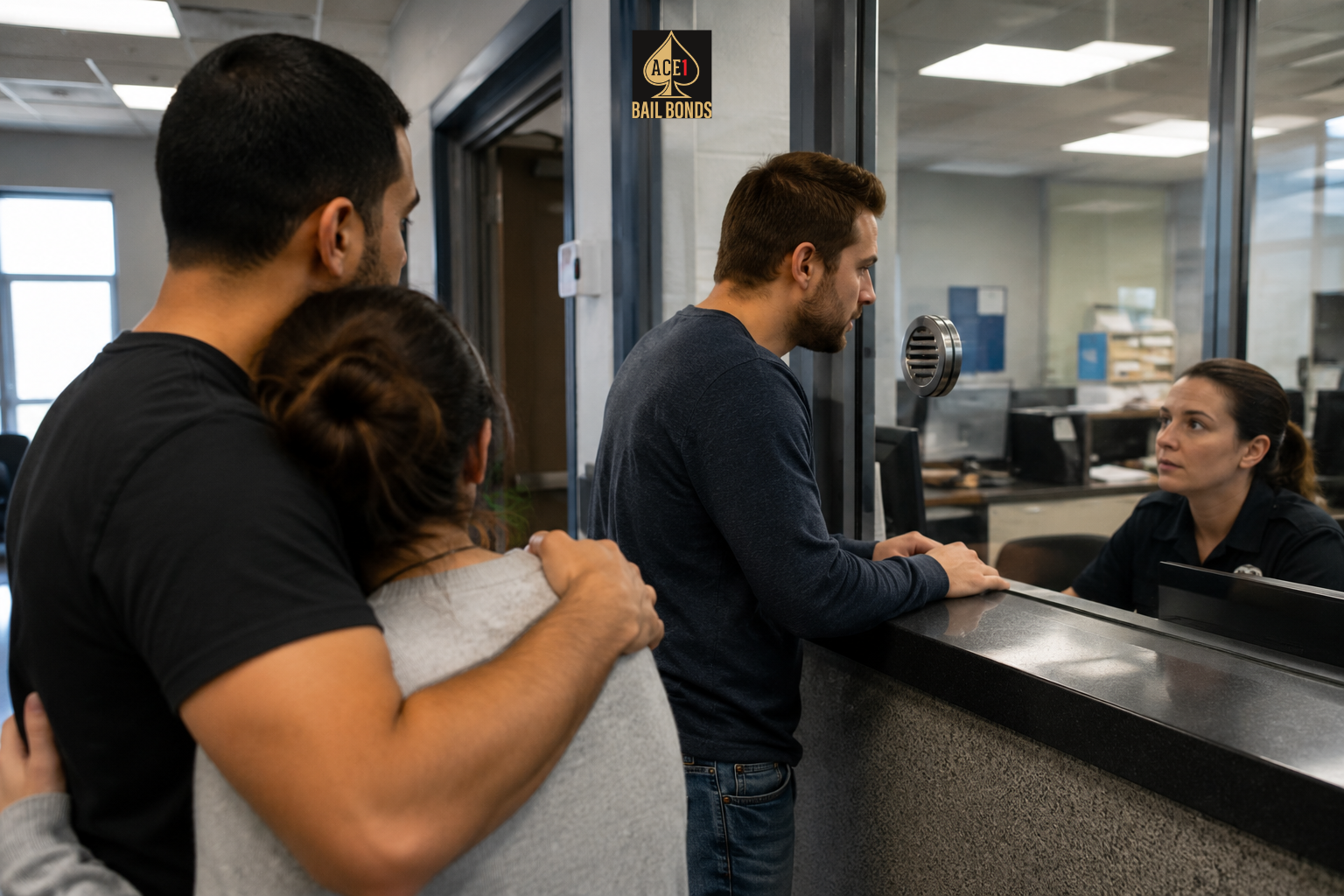
What Happens Right After Bail Is Posted?
Posting bail is a big step in any legal case, but it's not the end of the road. For defendants and their families, the time right after posting bail can be filled with uncertainty. Knowing what to expect can ease some stress and help you avoid mistakes.
Once bail is posted, the jail has a few tasks to handle: verify the payment, confirm the defendant’s identity, and process release paperwork. These steps can take a few hours—sometimes longer—depending on the jail's operations. If you’re looking for more detailed guidance, check out our bail bond services to see how we help families navigate the process smoothly.
This article will walk you through what happens right after bail is posted, including common delays, release conditions, financial questions, and what to do if something goes wrong. We’ll also share insights from the U.S. Courts and the Bureau of Justice Assistance to explain how pretrial release works.
Immediate Processing After Bail Is Posted
Verification of Payment and Bond Details
First, the jail verifies that the bail payment has been made. Staff will check that the funds, bond paperwork, or credit card transaction is complete and matches the court’s order. If a bondsman was involved, the facility might review these documents to ensure everything is in order. This step is crucial because the jail won't move forward until they're sure the bail has been paid.
In smaller facilities, this can be quick. But in busier jails, it might take longer. Staffing issues or multiple releases occurring simultaneously can slow things down. Families often underestimate how procedural this stage is, but it’s designed to prevent errors and ensure the release is legal.
Identity Confirmation and Record Checks
Once the payment is verified, the jail confirms who the defendant is. This means matching the person in custody with booking records, fingerprint data, and court paperwork. If there are any issues like aliases or similar names, this can delay the release. Even a small clerical mistake can add time if the jail needs to verify records.
The jail also checks for any outstanding holds, warrants, or additional charges. A defendant may have posted bail but still be held due to another detainer. So, families shouldn't assume that posting bail means immediate release. Careful review is part of the normal process to avoid releasing someone who is still legally held.
Documentation of Court-Ordered Conditions
After confirming the payment and identity, the jail documents any court-ordered release conditions. These might include travel limits, reporting obligations, or contact restrictions. Defendants are typically expected to understand these terms before leaving custody, and sometimes they get the conditions in writing. If you need courtroom support during conditions discussions, our in-court assistance service can be a big help.
These conditions aren't just suggestions; they are legal obligations while the case is pending. Ignoring them can lead to bail being revoked, a bench warrant, or additional charges. It’s crucial to read every instruction carefully and ask questions before leaving the facility.
How Long Release Usually Take
Typical Timelines and Why They Vary
People often wonder how long it takes from posting bail to walking out of jail. The honest answer is, it varies. Some are released within a few hours, while others wait longer based on the facility’s workload and whether the paperwork is complete. A late-night release may take longer due to fewer staff members available to process the file.
According to resources like LegalClarity, the release window can range from a few hours to more than a day. Families should know that posting bail starts the release process but doesn’t finish it instantly.
What Causes Delays in Release
Common delays come from paperwork issues, system backlogs, and identity verification problems. If the bond paperwork is incomplete or if the payment needs extra confirmation, the jail might pause the release. Delays are also common when several people are being processed at once, especially in high-volume facilities.
Outside factors can slow things down, too. If a court clerk hasn’t sent the release order yet, or if the jail is waiting on another department to clear a hold, the process slows. Staffing shortages can make the delay feel even longer. Staying in touch with the facility or your bail agent is often the best way to get realistic updates instead of guessing.
How Families Can Stay Prepared While Waiting
While waiting for release, families should keep phone lines open, have transportation ready, and prepare any needed clothing, identification, or medication. It's also wise to keep the bail paperwork handy in case the jail needs a receipt number or transaction confirmation. If you’re new to the process, our guide to getting started with bail in Goshen, NY, is a helpful resource.
Focus on what you can control. If the jail is busy, constant calls usually don’t speed up release. What helps more is being available, responding quickly if staff need more information, and ensuring no one leaves the facility without understanding the next steps.
Conditions of Pretrial Release
Travel Restrictions and Geographic Limits
Many defendants are released on the condition that they stay within a specific area unless the court permits them to travel. This helps the court keep track of the defendant for hearings. In some cases, the court might allow travel for work, medical treatment, or family emergencies, but you usually need approval ahead of time.
Travel restrictions are key for defendants living near county or state lines. A short trip might seem harmless, but crossing a boundary without permission can create issues. Courts prefer clear communication, so if travel is necessary, it’s better to ask first.
Check-Ins and Supervision Requirements
Some defendants must report to a pretrial services officer or another supervising agency while their case is pending. Check-ins might be in person, by phone, or through electronic reporting, depending on the court order. This isn't punishment; it's supervision. Courts want to ensure the defendant is following the release terms and attending scheduled proceedings.
According to the Bureau of Justice Statistics, pretrial release is a key part of the justice process in the U.S., and supervision helps courts manage compliance. If you’re unsure what a check-in means or how often it’s required, clarify the order right after release.
No Contact Orders and Other Restrictions
Another common condition is a no-contact order. This means the defendant can’t communicate directly or indirectly with certain people, often alleged victims, witnesses, or co-defendants. This includes calls, texts, emails, social media messages, and communication through friends or family. Even a harmless message can be a violation if it reaches a protected person.
There might also be requirements for drug testing, firearm restrictions, or staying away from specific addresses. These conditions vary widely. Defendants should read the exact wording of the order because assumptions can lead to violations. When in doubt, if a condition isn't clearly allowed, don't do it.
Financial Implications and Refunds
Cash Bail and Refund Expectations
The financial outcome depends on how bail was posted. If cash bail is paid to the court and the defendant complies with all appearances and conditions, the money is usually refunded when the case ends, minus any fees or deductions. But the refund process takes time and isn't usually immediate once the case ends.
Families should know that a refund depends on compliance. If the defendant misses court or violates conditions, the bail money might be lost. That’s why it’s vital to keep every hearing date on a calendar and confirm transportation ahead of time. Missing a court appearance can have long-lasting financial consequences.
Bail Bonds and Non-Refundable Fees
If a bail bondsman is used, the fee paid for the bond is typically non-refundable. This fee compensates the bond company for taking on the financial risk of posting bail. Even if the defendant attends every hearing and the case ends well, the premium usually isn’t returned. Families should view the fee as the cost of securing release.
If you’re deciding on the best option for a case, it helps to speak with someone who understands both the financial and procedural sides of release. Our Goshen bail bond help page explains how local support can simplify the process and reduce confusion.
Reporting Obligations for Larger Cash Transactions
There are compliance rules for larger cash transactions. In New York, for example, cash bail amounts of $10,000 or more may require completing IRS Form 8300, designed to document significant cash payments. Families shouldn’t find this unusual; it’s part of the reporting framework for large cash transfers. For a practical overview, see the guidance at JailExchange.
These rules can change, so it's smart to keep transaction records, receipts, and contact info organized. A well-documented paper trail helps if the court, jail, or financial institution needs clarification.
What Happens If the Defendant Misses Court or Violates Conditions
Bench Warrants and Bail Forfeiture
If the defendant misses a court date, the court can issue a bench warrant for arrest. At the same time, bail may be forfeited, meaning the court can keep the money or start collection procedures against the person who posted it. This creates serious legal and financial problems, even if the missed appearance was accidental. Courts expect defendants to treat every scheduled date as mandatory.
Missing court also makes regaining trust with the judge harder. Once labeled noncompliant, future release requests may get more scrutiny. That’s why families should prioritize hearing dates and confirm them as soon as they’re scheduled. A simple reminder system can prevent bigger issues later.
Revocation of Release and Re-Arrest
The court can revoke bail if a defendant violates release conditions. This might include contacting prohibited people, leaving the area without permission, or not reporting as required. Once bail is revoked, the defendant might be re-arrested and returned to custody. In some cases, the court may set stricter release terms if bail is granted again.
These consequences are real. Judges use them to protect the court process and ensure the defendant remains available. If a violation is alleged, it’s crucial to respond quickly and gather any documents or records that explain what happened. Early communication with a lawyer can make a big difference.
How Legal Support Can Help After Release
Post-release compliance is where legal support is especially valuable. Criminal defense professionals can help defendants understand court dates, prepare for hearings, and respond to alleged violations before they escalate. For families wanting reliable guidance, our in-court assistance service provides structure and peace of mind as deadlines come up.
Legal support also helps avoid accidental mistakes. A defendant might not realize that a social media message, a missed check-in, or a short trip could create problems. Understanding the rules clearly makes compliance more likely. That’s one of the biggest benefits of working with professionals who know the local court process well.
Goshen, NY: Local Bail Realities and Practical Examples
Orange County Correctional Facility Procedures
For families in Goshen, NY, the Orange County Correctional Facility is usually the place to post bail. Accepted methods might include cash, bail bonds, and credit card payments through Government Pay Net (GPN), depending on current facility procedures. Since local process details matter, families should confirm accepted payment methods and release timing with the facility or a qualified bail professional.
Local experience can be especially helpful because each facility has its own workflow. Posting bail in a smaller county jail might face fewer delays than in a busier regional facility. Still, even a local release can take time if the jail is handling multiple cases at once. A calm, organized approach often works better than repeated last-minute calls.
Real-World Example of a Same-Day Release
Consider a defendant arrested in the morning and bailed out by early afternoon. The payment is verified, no holds appear in the file, and the court order is already in the jail’s system. In that case, the defendant might be released the same day after routine processing. The family’s ability to provide quick information and transportation can help the process go smoothly.
This is the best-case scenario, but it still depends on the paperwork being correct. A missing signature or a hold from another case could change the timeline immediately. Families should treat the release window as flexible rather than guaranteed. Planning for a possible delay is usually more realistic than expecting a fast exit every time.
When the Process Takes Longer Than Expected
Sometimes, the release may take most of the day or even longer. This often happens when the jail is busy, staff are limited, or a court document hasn't reached the processing desk. When that happens, patience and consistent follow-up help more than frustration. Families should keep names, times, and transaction details recorded so they can reference them if staff need to investigate a delay.
For local callers needing help through the process, our guide on how quickly you can bail someone out in New York provides more detail on timing expectations and common slowdowns. Understanding the sequence makes it easier to manage emotions and make practical decisions.
Recent Trends and What They Mean for Defendants
Bail Reform and Pretrial Release Trends
Bail reform has changed the conversation around pretrial release in many states, including New York. In 2020, New York implemented reforms that eliminated cash bail for most misdemeanors and nonviolent felonies, shifting focus to risk assessment and pretrial supervision. An empirical study from arXiv found no significant increase in crime rates for assault, theft, and drug-related offenses after the reform, though debates continue.
For defendants, this means release decisions may depend more on the nature of the charge, court assessment, and local procedures than on bail alone. Families should stay informed as reforms affect what kinds of release conditions are likely to appear. The trend is toward more structured pretrial oversight, making compliance even more important.
Why Pretrial Services Matter More Now
With greater emphasis on pretrial services, defendants are more likely to encounter supervision conditions that require active participation. These programs might include reminders and support designed to improve court appearance rates. When used well, they help reduce confusion and support compliance. That’s why defendants should see pretrial services as part of the release plan, not an afterthought.
The increase in structured release conditions means people should expect more documentation and communication. A defendant who stays organized is usually better positioned to avoid surprises. Families can help by keeping calendars current, saving paperwork, and responding promptly to any court notice.
Frequently Asked Questions About What Happens Right After Bail Is Posted
Can the Jail Release Someone Immediately After Bail Is Paid?
Not always. Even after payment is accepted, the jail still has to verify the transaction, confirm the person’s identity, check for holds, and process release paperwork. Some people are released quickly, while others wait longer. The release timeline depends on staff availability, facility procedures, and whether the file is complete.
What if the Defendant Has Another Warrant or Hold?
If another warrant or hold exists, the person may not be released even after bail is posted in the current case. This is one of the most common reasons for unexpected delays. The jail must clear all outstanding legal holds before release can happen, and that can require additional review or coordination with another agency.
What Should Families Do After Posting Bail?
Families should keep receipts, remain available by phone, and prepare for transportation once release is confirmed. It also helps to review the release conditions immediately so everyone understands the rules. If there is any uncertainty, contacting a bail professional or attorney right away can prevent confusion. For people looking for local, steady support, our after-hours bail guide for families is a useful resource.
Conclusion: Stay Calm, Organized, and Compliant
What happens right after bail is posted involves verification, identity checks, paperwork processing, and reviewing release conditions. The system may move quickly or slowly, but every step matters. Understanding those steps can make the process less intimidating and help defendants and families respond appropriately.
The key takeaway is that release is only the beginning. Once someone is out, following the court’s rules becomes essential. Travel limits, check-ins, no contact orders, and court appearances all matter. If you need dependable guidance through each stage, Ace1 Bail Bonds is ready to help with clear communication, local experience, and support that keeps the process moving forward. Call (845) 926-3460 or visit us at 51 Greenwich Ave, Goshen, NY 10924, USA to get the next step handled with confidence.