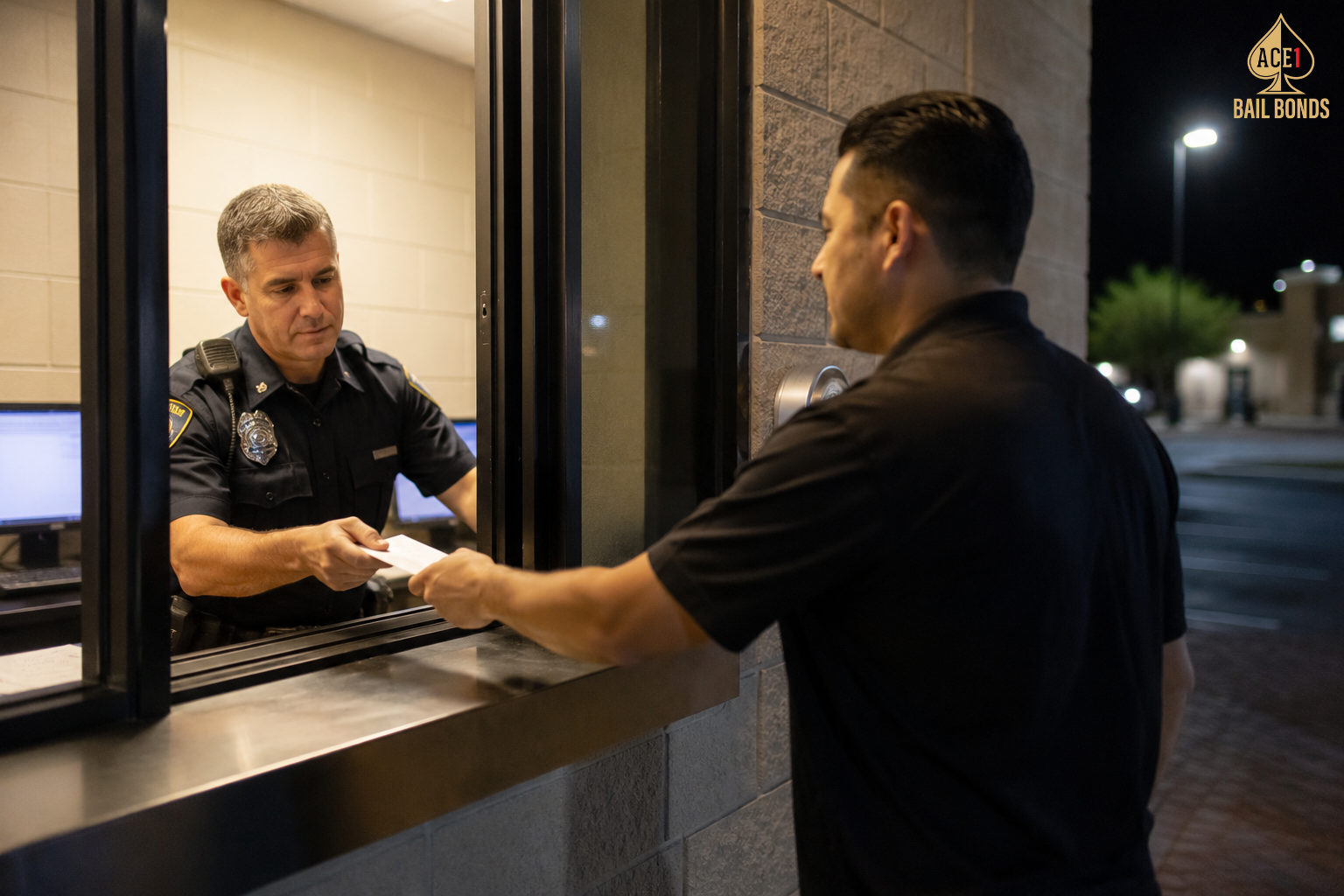
Can You Post Bail at Any Time? What You Need to Know
When someone you care about gets arrested, one of the first things you're likely wondering is if you can bail them out right away. The quick answer is, in many cases, yes—you can post bail 24/7. But keep in mind, getting them out isn't always instant. Various factors like jail procedures, staff availability, and local rules can slow things down. If you find yourself in this situation, knowing the process can help keep you calm and make smart decisions, especially if you need bail bond services or other support right away.
This guide will help you understand how bail timing works, what might delay a release, and what recent changes mean for you and your family. We’ll also cover the basics of cash bail versus bail bonds, how reforms are affecting the system, and what to expect in places like Goshen, NY. For more on how bail works in the U.S., check out the U.S. Courts website. Recent national discussions are also reshaping how states manage pretrial detention.
If you're looking for practical answers, you're probably not just asking if you can post bail at any time. You're also curious about what happens after you post bail, how long it takes for someone to get out, what documents you need, and who can help if things get stuck. This article will cover all that, offering clear steps and real-world examples to guide families who need quick, reliable advice.
How Bail Works and Why Timing Matters
What bail is designed to do
Bail acts as a financial promise that lets someone out of jail while ensuring they show up for court later. The court typically sets a cash amount based on the seriousness of the charges, past behavior, risk of running away, and public safety issues. If the person shows up for all court dates, the bail money is usually returned, or the bond obligation ends, depending on what's used. But if they skip court, the money can be kept, or the bond could be forfeited.
Bail isn't meant to punish someone before their trial. It's about balancing innocent until proven guilty with the need to make sure they show up for court. This balance is why bail rules can vary widely across states and counties. Families often find out quickly that two people with similar charges can have very different outcomes based on local rules and the judge's discretion.
Why posting time is not the same as release time
Posting bail is just one step. After you pay or fill out bond paperwork, the jail still needs to verify everything, process the release, and run any necessary checks. This can take several hours, even if you've paid. If the jail's busy or short-staffed, the wait could be longer.
So, don’t assume that paying bail means someone walks out immediately. Many frustrating delays happen after the bond is secured, not before. To speed things up, it helps to know the jail’s procedures and keep your paperwork in order. You might also want to check out what to expect right after you post bail so there are fewer surprises.
Can You Post Bail at Any Time?
In many places, yes, but with limits
In a lot of jails, you can post bail 24 hours a day, even on nights, weekends, and holidays. This is especially true for facilities with round-the-clock operations. But just because you can post bail anytime doesn’t mean every step is quick or available 24/7. Some parts of the process only happen during business hours.
That’s why people often look for night and weekend options. If you need help after hours, it’s smart to plan for a possible delay and check the local jail’s policy before assuming immediate release. A good resource is Can You Bail Someone Out at Night or on Weekends?, which explains how after-hours procedures typically work.
What can change the answer locally?
Local rules matter a lot. Some jails have a 24-hour cashier window, while others need bail to go through a central booking system or courthouse. In some places, electronic records make things faster; in others, the release might wait until the next staff shift. This is why two people in nearby areas can have different timelines even with similar charges.
For families in Goshen, local procedures might differ from statewide rules, so it’s always a good idea to check the current rules with the jail or a trusted local source. If you need step-by-step help, the team at Ace1 Bail Bonds can guide you through the process and help you avoid mistakes. When time is of the essence, having in-court assistance can also be a big help in staying organized during a rush.
Why the time of day still matters
The time you post bail can affect how soon someone gets out. If the jail has limited staff overnight, paperwork might wait until the next processing window. Even if the jail takes your payment after hours, the release might not happen until officers or staff can finish their review. This is especially true if the release needs extra paperwork, ID checks, or coordination with a court clerk.
Remember, the person may have other holds, like a probation violation or immigration issue. In those cases, bail in one matter might not mean immediate freedom. Knowing these possibilities ahead of time can save you from surprises.
Cash Bail, Bail Bonds, and Other Release Options
Cash bail explained
Cash bail means paying the full amount set by the court directly to the jail or court. If the person follows all the rules and shows up in court, you usually get the money back at the end of the case, though it might take a while. If they miss court, the money could be kept, and a warrant might be issued. This option needs a lot of cash up front, which is why many families can't use it.
According to Nolo, cash bail can be simple in theory but pricey in practice, especially if the amount is high. The main advantage is you avoid paying a nonrefundable fee to a bondsman. The downside is obvious: not everyone can afford to tie up thousands of dollars quickly.
How bail bonds work
A bail bond is different. Instead of paying the full amount, the defendant or a loved one usually pays a nonrefundable fee to a bail bond agent, who then secures the bond for the full amount. This is often the more practical option for families needing a fast release but without the full cash amount. It also explains why bail bond services are vital in the criminal justice process.
The trade-off is that the fee isn’t returned, even if the case goes well. Families should understand that a bond is a service fee for accessing the release process, not a savings account. If you’re deciding between cash and a bond, ask about the total cost, payment terms, collateral requirements, and how long the posting process will take.
Why people still use bail bonds
Bail bonds are popular because they cut down the amount of cash needed upfront. They can also move quickly when families don’t have access to large liquid funds. In urgent cases, speed matters, especially if the person needs to get back to work, care for kids, or prepare a defense. A local bondsman can help with the paperwork and explain the next steps in plain language.
For those new to the process, getting the right documents together is just as crucial as choosing the right payment method. If you're unsure what to bring, check out must-have documents for posting bail before making the trip. Being prepared often saves hours.
Recent Bail Reform Trends You Should Know
Illinois and the end of cash bail
One major development in the U.S. was Illinois’ 2023 move to end cash bail under the Pretrial Fairness Act. This made Illinois the first state to fully do away with cash bail, and it's become a big case study in pretrial justice reform. Supporters say it cuts down wealth-based detention and tackles inequalities that have long hit communities of color. Critics worry it might make managing public safety harder.
The Associated Press highlighted the impact of cash bail on Black and Latino defendants, showing why reform is a major national topic. Whether you support reform or not, Illinois shows that bail isn't a fixed system. It's changing fast, and families should stay informed about the laws where they live.
Federal pressure on cashless bail systems
In 2025, President Donald Trump signed an executive order targeting places with cashless bail policies, saying they threaten public safety and should face federal funding cuts. This move heated the debate over whether cash bail reform improves fairness or increases risk. Whatever your view, the takeaway is clear: bail policy is now a national conversation, not just a local court issue.
For another angle on the debate, the AP coverage of the executive order offers a handy summary of the political and legal tensions involved. Families should know that state and federal changes might affect pretrial practices over time, even if local rules stay the same for now.
What research says about crime and reform
Research on bail reform is more complex than headlines suggest. One study on New York’s bail reform found no significant rise in crime rates after cash bail was removed for most misdemeanors and nonviolent felonies. That doesn’t mean every reform gets the same results everywhere, but it shows the link between bail policy and public safety isn’t always straightforward. Public talks often oversimplify the issue, when the data points to more careful analysis.
If you want to see the research, the study on arXiv gives a good look at the methods and findings. For families and professionals, the main takeaway is that bail policy should be understood in context, not through slogans alone.
What Happens After Bail Is Posted?
Verification and processing
Once bail is posted, the jail checks that the payment or bond is legit and that no other hold stops the release. Staff might confirm identity, review paperwork, and log the release order. In some places, this step is quick; in others, it depends on how busy the jail is and whether a supervisor needs to approve the release. Even if all is correct, the person still has to go through the administrative line.
This is where patience and preparation come in. Families often expect an immediate release, but processing can take longer than they think. If you’re waiting, stay reachable by phone and keep an eye on any instructions from the jail or the bondsman. For a deeper look, see release times after bail is posted, which explains common causes of delay.
Reasons release gets delayed.
Release delays often come from missing paperwork, mismatched info, or a secondary hold. A typo in a name, wrong case number, or incomplete bond form can slow everything down. Staffing shortages, shift changes, and court closures can also create bottlenecks. Sometimes, the jail might wait for a judge or clerk to clarify a condition before letting someone go.
Families should also remember that release conditions might include no-contact orders, curfews, or electronic monitoring. These can affect how the person returns home and what they can do after release. If you’re unsure about those requirements, ask questions before leaving the facility so you don’t accidentally create a new problem.
Why families should prepare for the first 24 hours
The first 24 hours after posting bail are crucial. The person might need transportation, medication, a place to stay, and a plan for the next court date. You might also need to gather court documents, contact a lawyer, or handle work and family duties. Planning can ease stress during a tough time.
If you’re not sure who to call first after an arrest, it might help to review who to call first after an arrest. In many cases, the best move is a mix of legal guidance, bail support, and family coordination.
How to Avoid Common Bail Mistakes
Don't assume every jail works the same.
A big mistake is thinking the process in one county is the same in another. Even nearby areas may have different forms, payment methods, staffing schedules, or release timelines. Before you head to the jail, confirm what they accept, what you need, and if there are any special steps for nights or weekends. A simple call can prevent a wasted trip.
Make sure the information matches exactly.
When you post bail, details matter. The person’s full name, birth date, booking number, and case number should all be accurate. If the info on the bond or payment doesn’t match the jail’s records, the process can stall. This is why it’s helpful to gather paperwork early and review it before submitting anything.
Understand the consequences of missing court.
If someone misses court, the court can issue a warrant and forfeit the bail. This risk applies whether the bail was cash or a bond. According to FindLaw, not showing up can have serious legal and financial consequences, including extra charges in some cases. The best way to protect the bail is to treat every court date as mandatory.
Families can help by tracking dates, setting reminders, and keeping all paperwork in one place. If getting there is a concern, plan early instead of waiting until the last minute. Small steps now can prevent a costly mistake later.
Local Support Matters in Goshen, NY
Why local knowledge speeds up the process
Local know-how matters because bail is often handled differently from one place to another. A team that knows the local jail, court steps, and common delays can help cut confusion and save time. In a stressful situation, clear communication is just as valuable as quick paperwork. That’s especially true when the goal is to get the person home quickly and safely.
If you’re in the Goshen area and need reliable help, bail bond services can offer practical support from the first call to posting the bond. Families often feel more confident when someone explains the process step by step instead of using jargon or leaving them to guess.
When to ask for courtroom support
Some cases need more than just posting a bond. You might need help organizing documents, understanding hearing dates, or making sure the person is ready for court. In these situations, in-court assistance can help families stay prepared and calm. Having the right support can make the process feel more manageable from the start.
Training and professional insight
The bail industry also relies on skilled professionals who know the legal and logistical side of the process. For those interested in the field, bail bondsman training can provide a closer look at how the work is done responsibly and effectively. Strong training supports better service, which ultimately helps families during a tough time.
Frequently Asked Questions About Posting Bail
Can bail always be posted immediately?
Not always. Even if a jail accepts bail 24/7, release might wait for processing, verification, or staff availability. The timing depends on the facility, the type of bail, and whether any other holds exist.
Is cash bail better than a bond?
Neither option is always better. Cash bail may be refundable, but it requires a big upfront payment. A bond usually costs less upfront but includes a nonrefundable fee. The best option depends on your finances and the local court process.
What if the jail says there is a hold?
If there is a hold, bail in one case might not lead to release. A hold can come from another case, probation, immigration, or another legal issue. Ask for clarification so you know what’s stopping the release and what steps, if any, can be taken next.
Can someone post bail for another person?
Yes, in many cases a family member or friend can post bail for the defendant, as long as the jail or court accepts the paperwork and payment. The person posting should be ready to provide ID and any required case info. If you’re unsure, contact the jail or a bail professional before going in person.
Final Thoughts: Know the Rules Before You Need Them
So, can you post bail at any time? In many places, yes, but that doesn’t mean release happens instantly or without hitches. Timing depends on local jail policy, staff, paperwork, and the person’s specific case. The more you understand the process, the easier it is to act quickly and avoid mistakes that can slow everything down.
With bail laws changing, families should keep informed about both local practices and national reforms. Whether you’re dealing with cash bail, a bond, or a release condition issue, the most important thing is to act promptly and accurately. If you need help now, Ace1 Bail Bonds is ready to offer clear guidance, steady support, and practical next steps. You can also start by reaching out for a quick consultation and learning how the process works before you make the trip.
For dependable help in Goshen, NY, contact Ace1 Bail Bonds at (845) 926-3460 or visit 51 Greenwich Ave, Goshen, NY 10924, USA. When time is of the essence, having the right information and support can make all the difference.