Your Guide to Becoming a Licensed Bail Bondsman in Goshen, NY
Thinking about stepping into the world of bail bonds? It's a role that calls for professionalism, a good grasp of legal rules, strong communication skills, and a steady mindset. It’s not just about posting bail; it’s about guiding people through one of their toughest times, all while keeping up with state rules and ethical standards. This guide breaks down what being a bail bondsman involves, what you typically need for licensing, and how to figure out if this path is for you.
Before you dive in, it's helpful to get a grip on the wider bail process and the support services that come with it. Some folks learn the ropes through hands-on experience with bail bond services, while others build confidence by understanding courtroom expectations and client support. If you want to really grasp how daily support works, checking out related advice on in-court assistance can show you how agents prepare clients from arrest to hearings.
This guide is here to answer the questions that pop up before you start: What does a bail bondsman do? Which qualifications are key? How do licensing and training work? What challenges might you face? And how can you build a long-lasting career that's compliant and trusted? Along the way, you'll find links to helpful public resources, such as the New York State Unified Court System or the U.S. Department of Justice, which can give you a better understanding of how the legal system treats bail and release.
What a Bail Bondsman Actually Does
Helping Clients Navigate the Release Process
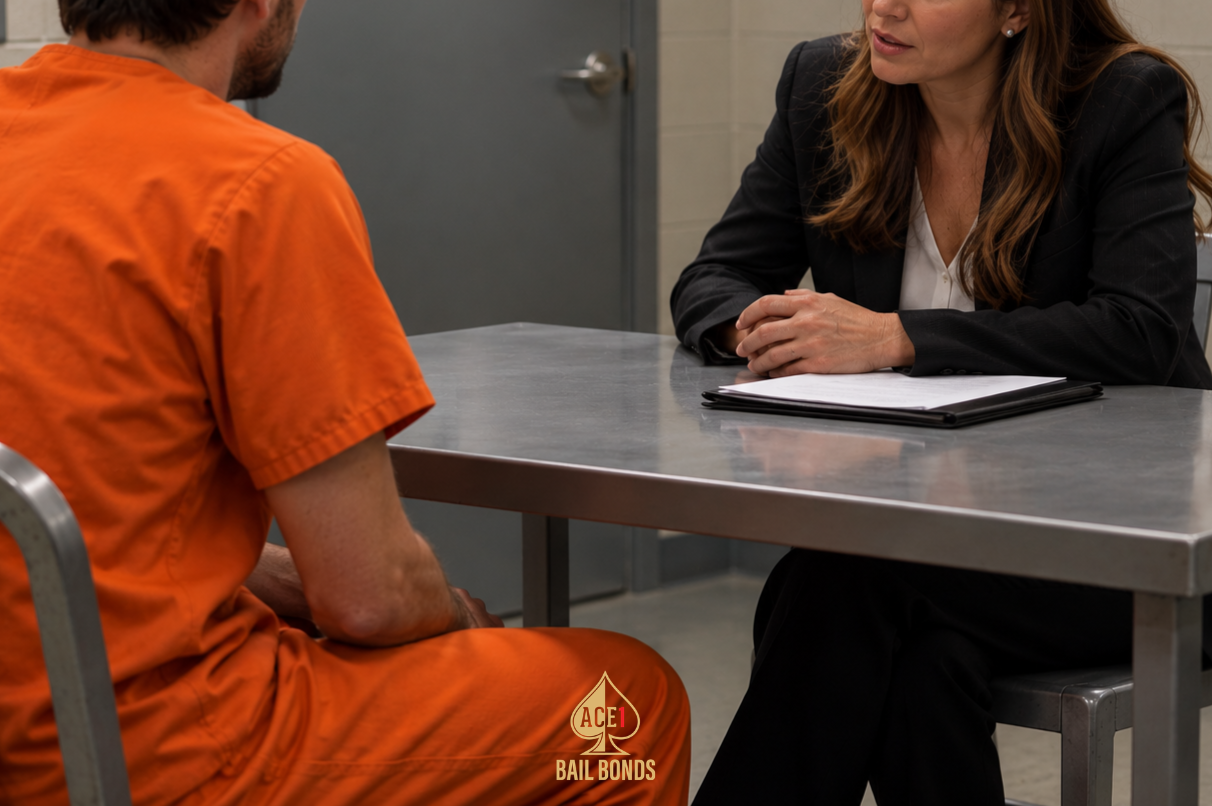
A bail bondsman helps secure a defendant’s temporary release from custody by following the court and jail rules. Simply put, the bondsman puts up a bond on behalf of the defendant, allowing them to go home while waiting for court dates. This often means talking with family members, explaining payment options, going over paperwork, and ensuring everyone knows the responsibilities tied to the bond.
The work can be fast-paced and emotional since families often reach out during a crisis. This is why clear communication is as crucial as legal know-how. Top agents do more than collect signatures; they provide calm, accurate guidance, keep records organized, and make sure the client knows the consequences of missing court or breaking release conditions. A trusted agent can be the bridge between confusion and a practical next step.
Balancing Business with Legal Responsibility
There's also a business side to being a bail bondsman. Agents have to track payments, manage risk, maintain client records, and comply with local and state laws. The job blends customer service, legal procedures, and financial judgment. That’s why many successful agents spend time learning the industry before handling cases on their own.
If you're looking to get a solid start, structured training can be really useful. Training often covers ethical conduct, record-keeping, client communication, and the basics of assessing risk. It also helps you learn how to interact professionally with law enforcement, court personnel, and family members.
Why Licensing Matters in This Profession
Protecting the Public and the Business
Licensing is there to protect the public and ensure bondsmen operate legally. Since a bail bond affects someone’s freedom, the profession is more regulated than you might expect. Licensing confirms that an agent has the basic knowledge and background needed to work responsibly and follow state rules.
It also safeguards the business itself. A licensed bondsman is more likely to gain trust from clients, court staff, and attorneys because the license indicates accountability. In practice, this can make it easier to build referral relationships and establish a reputation for reliable service. Many agencies see licensing as a basic professional standard, not just a legal requirement.
Understanding State-Level Differences
Licensing rules differ from state to state, so your first step should always be to confirm the exact requirements where you plan to work. Some states require classroom instruction, others require pre-licensing courses, and many demand background checks, fingerprinting, and continuing education. Because the details can change, it’s smart to check official guidance instead of relying on word-of-mouth advice.
For instance, candidates should always verify current licensing expectations through the proper state agency or court system. If you’re looking into the field in New York, starting with official sources like the New York Department of State is a good idea. Official resources help you avoid mistakes that might slow down your application or create compliance issues later.
Skills You Should Build Before You Apply
Communication and Empathy
One of the most important skills in this profession is communication. Bail bond clients are often scared, embarrassed, or overwhelmed, so a bondsman needs to explain the process clearly without sounding rushed or judgmental. Good communication reduces confusion and builds confidence, especially when time is tight and emotions are high.
Empathy is just as important. While a bondsman must protect the business and follow the law, the best professionals know how to listen carefully and respond with patience. Families remember how they were treated during the first call, and that first impression can shape whether they feel supported throughout the case. A calm, respectful tone often makes tough conversations easier and more productive.
Organization and Attention to Detail
Paperwork is a big part of the job, and even a small mistake can create delays or confusion. A good bondsman needs strong organizational habits, especially when managing client files, court dates, payment records, and bond conditions. Detailed note-taking helps reduce errors and makes it easier to follow up when questions come up.
Attention to detail is key because release conditions can change depending on the case, the court, or the jail. A careful agent checks names, dates, docket information, and contact details before moving forward. This habit can prevent misunderstandings and help the client avoid unnecessary setbacks. If you want to see how those details connect to real-world case management, reviewing articles like what to know before calling a bail bondsman can give you a practical preview of the information that matters most.
Licensing Requirements and Common Steps
Education, Background Checks, and Training
While specific requirements vary, many states expect applicants to complete some mix of education, pre-licensing coursework, and background screening. Some regions also require applicants to be a certain age, submit fingerprints, or provide proof of residency or business credentials. Since these steps confirm trustworthiness and competence, it’s important to gather accurate information before applying.
Training can be one of the most valuable parts of the process. Good instruction usually covers the bail system, local court procedures, client communication, and compliance expectations. It may also introduce practical topics such as document handling, surety relationships, and how to work under pressure. The more you understand the field before you start, the easier it becomes to handle real cases responsibly.
Testing, Approval, and Continuing Education
In some states, licensing includes a test or exam to ensure the applicant understands the law and the duties of the role. After approval, the license may need to be renewed regularly, which can involve continuing education or updated paperwork. So, learning doesn’t stop once you’re licensed.
This ongoing requirement is actually a strength of the profession. Court procedures, regulations, and best practices can evolve over time, and continuing education helps agents stay current. A well-informed bondsman is better positioned to protect clients, reduce errors, and maintain a reputation for professionalism. If you’re preparing to enter the field, think of licensing as the beginning of your education rather than the end.
What Day-to-Day Work Looks Like
Handling Calls and Consultations
Daily work often starts with phone calls from family members, friends, or sometimes defendants themselves. Many of these calls are urgent, so the bondsman has to gather facts quickly and decide whether the case can move forward. This might include asking about the jail, the charges, the amount of bail, and the identity of the person needing release.
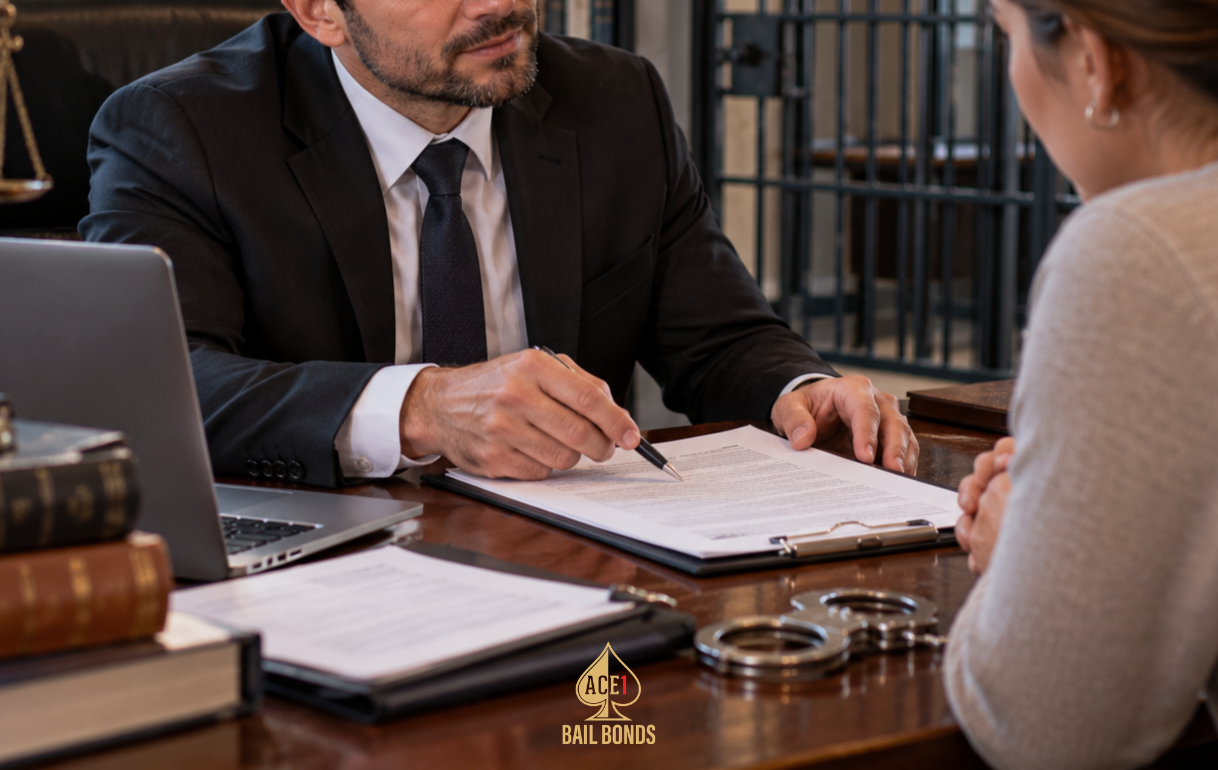
Consultations often involve explaining the bond agreement, discussing payment terms, and outlining next steps. A good bondsman doesn’t assume the caller understands legal language. Instead, the agent should explain the process clearly and confirm that the client knows what they’re signing and why each step matters. That clarity can reduce stress and avoid misunderstandings later in the case.
Working with Jails, Courts, and Families
Once the bond is ready, the bondsman must work with the jail and sometimes with court personnel to complete the release process. These interactions require patience and professionalism because the timing often depends on how fast each office processes the necessary paperwork. Delays are common, which is why a reliable agent keeps everyone informed as the case moves forward.
Families may also need guidance after release. Some clients need help understanding court dates, reporting requirements, or how to avoid violating bond conditions. That is one reason many agencies provide related support services and educational content. For example, families often benefit from reading about jail release timelines so they can better understand why timing can vary from one case to another.
How to Prepare for a Successful Career
Learn the Local Market
Before entering the industry, take some time to learn the local legal scene. Every county and jail may have slightly different procedures, and knowing those differences can save time and reduce frustration. Local knowledge is one of the easiest ways to stand out when you’re new to the field because it helps you answer questions with confidence.
If you plan to work in a specific community, study how local courts operate, what kind of paperwork is usually required, and what support families tend to need most. Understanding the area is especially useful in a place like Goshen, where quick response and clear communication can make a major difference. When you understand local expectations, your service becomes faster and more dependable.
Build Trusted Professional Habits
Professional habits matter in a field where trust is everything. Return calls promptly, keep accurate notes, be honest about timelines, and avoid promising results you can’t guarantee. These habits may sound simple, but they are what separate a dependable agent from someone who seems disorganized or difficult to reach.
It also helps to develop a reliable system for following up with clients and tracking deadlines. Missing a court date or losing track of a detail can create bigger problems for both the client and the business. A professional approach lowers risk and makes your work more sustainable over time. If you want to see how strong support looks in practice, the service page for bail bond services provides a good example of how clear next steps can help families stay focused.
Common Mistakes New Bondsmen Should Avoid
Rushing Through Paperwork
One common mistake new bondsmen make is rushing through documents. Even when the situation feels urgent, accuracy is still essential. A bond with the wrong information can delay release, create confusion, or force extra follow-up work. It’s better to pause briefly and verify the facts than to move quickly and create avoidable problems.
Good habits include double-checking names, case numbers, payment amounts, and contact details before finalizing anything. New agents often learn quickly that the most time-consuming mistakes are the ones that look minor at first. Careful review is not wasted time; it’s part of doing the job properly.
Overpromising Outcomes
Another mistake is giving unrealistic expectations about how quickly a release will happen or how simple a case will be. Courts, jails, and case details all influence timing, and no responsible bondsman can control every variable. If you overpromise, you risk losing trust when the process takes longer than expected.
Transparency is usually better than optimism without facts. A trustworthy agent explains likely steps, possible delays, and what information may still be needed. This approach may not sound flashy, but it builds long-term credibility. It also reflects the professional standards expected in legal services. Families who want more insight into the timing side of the process may also find value in reading about why moving fast after an arrest can help.
How Technology and Public Resources Can Help You
Using Official Sources to Stay Informed
Technology makes it easier to research laws, track forms, and verify official procedures. That said, not every online source is reliable. For licensing, court processes, and general legal information, the safest approach is to rely on public or institutional sources rather than random blogs or outdated forums. This is especially important when rules change, and old advice becomes inaccurate.
Helpful sources may include court websites, state licensing agencies, and legal education materials from recognized institutions. You can also use the U.S. government portal to find official information and connect to legitimate agency resources. Verifying facts through trusted sites helps you make better decisions and avoid preventable mistakes.
Streamlining Communication and Recordkeeping
Modern communication tools can also improve speed and organization. Secure phone systems, digital calendars, shared notes, and document management tools make it easier to handle many cases at once without losing track of important details. For a bondsman, efficiency is not just convenient; it is part of the service.
At the same time, technology should support personal service, not replace it. Clients still need someone who can explain the process, answer questions, and respond to stress with calm professionalism. The most effective agencies combine efficient systems with human support, which is why modern legal services often rely on both structure and personal attention.
Is This Career the Right Fit for You?
Traits That Usually Lead to Success
People who do well in this field tend to be steady, organized, patient, and comfortable working with a wide range of personalities. They are also able to stay calm under pressure and keep confidential information private. Since clients often reach out during difficult moments, emotional maturity is a real advantage.
You do not need to be perfect to succeed, but you do need to be dependable. The profession rewards people who can keep their word, manage details, and communicate honestly. If you enjoy helping others while also respecting structure and rules, this may be a career worth pursuing.
Questions to Ask Before You Start
Before investing time or money into licensing, ask yourself whether you are prepared for irregular hours, stressful situations, and a job that often demands quick responses. Consider whether you are comfortable handling sensitive conversations, following legal procedures, and building trust with people you may never have met before. These questions can help you decide whether the work aligns with your strengths.
It can also help to speak with experienced professionals, review educational content, and study how agencies operate in your area. If you are serious about entering the field, hands-on preparation matters. In many cases, the best first move is to learn from established professionals who already understand the pace and expectations of the industry.
Frequently Asked Questions About Becoming a Bail Bondsman
How Long Does It Take to Become Licensed?
The timeline depends on your state’s licensing rules, the speed of background checks, and whether you need to complete a course or exam first. Some applicants move through the process relatively quickly, while others experience delays because of paperwork or scheduling. The safest approach is to begin with the official requirements and build in time for review.
Do I Need Experience Before Applying?
Not always, but experience can help. Many people start with training, shadowing, or related work that gives them practical exposure to the bail process. Experience is especially valuable when it teaches you how to communicate clearly, stay organized, and handle client concerns with professionalism.
Can I Work Independently Right Away?
In some cases, new licensees work under an established agency before branching out on their own. This arrangement can be a smart way to learn the business, build confidence, and understand the local market. Working with experienced professionals can reduce mistakes and help you build a stronger foundation.
Final Thoughts and Next Steps
Becoming a licensed bail bondsman is not a casual career choice. It requires preparation, compliance, people skills, and a strong respect for the legal process. The people who succeed in this field are often the ones who take the time to learn carefully, ask the right questions, and build habits that support both accuracy and trust.
If you are serious about the profession, start by researching your state’s official licensing requirements, exploring proper training, and learning how experienced agents communicate with clients and courts. You can also review related guidance on choosing a bail bond company to better understand what professionalism looks like from the client’s point of view. That perspective can help you build a more thoughtful and effective career.
For more information about bail support, training, or court-related guidance, connect with Ace1 Bail Bonds at https://new-york-bail-bonds.com or call (845) 926-3460. If you want a career that combines service, structure, and legal responsibility, this may be the right path to explore next.