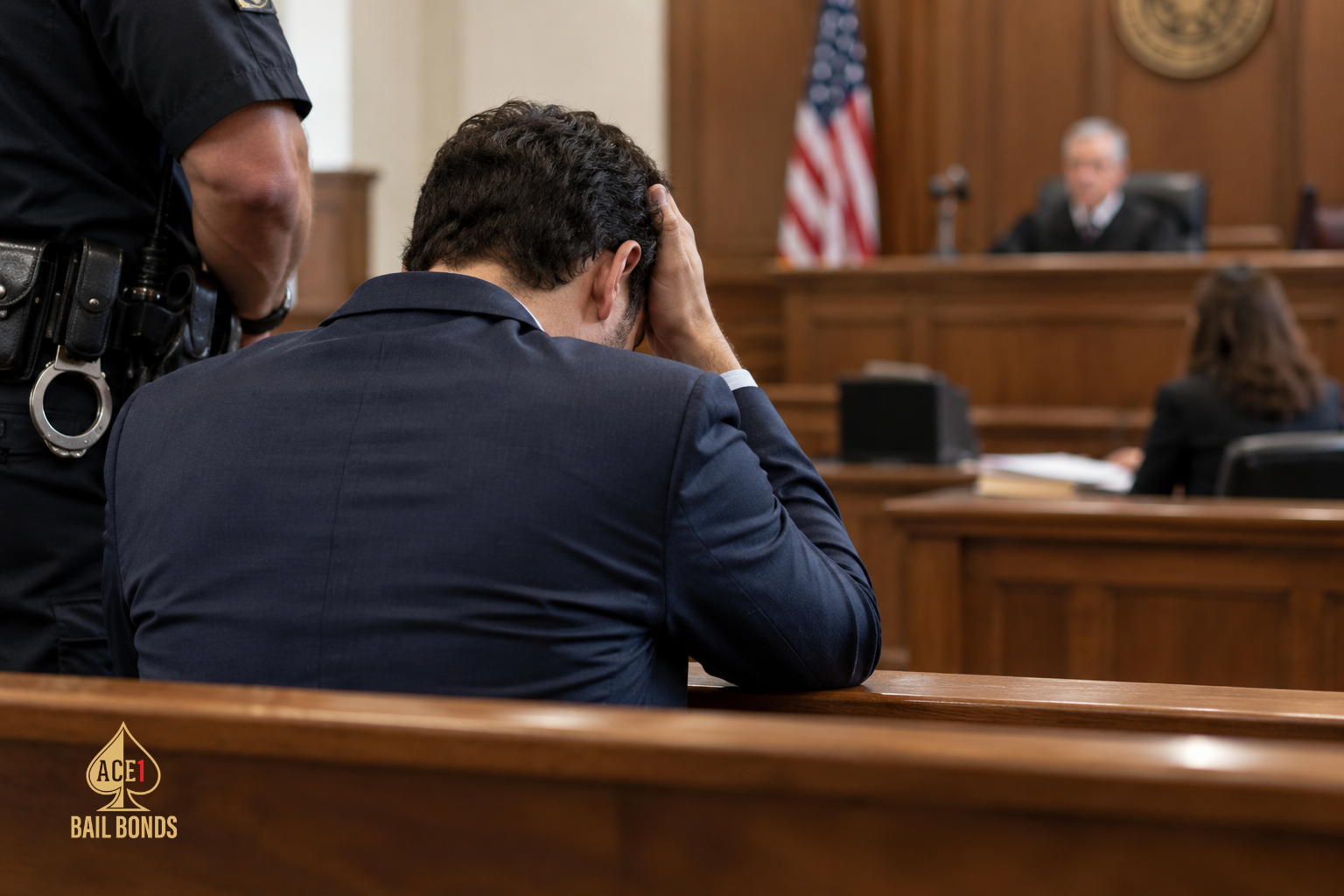
When someone gets arrested, those first few ho urs can really set the stage for what comes next. Jumping into action quickly won’t erase the stress, but it can help protect rights, cut down on confusion, and open up more chances for a better result. Acting fast allows families to gather info, plan the next steps, and dodge mistakes that might be tougher to fix later.
This guide dives into why speed counts after an arrest, what the first 48 hours usually involve, and how early legal help can smooth the process. If you’re trying to figure out bail, how to communicate, or what to do first, resources like who to call first after an arrest and our bail bond services can help you move with confidence. For more context, the U.S. Department of Justice explains that quick judicial review is a key safeguard after an arrest, especially when someone is held without a warrant.
Why the First Hours After an Arrest Matter
Quick decisions can protect rights.
After an arrest, it's easy to feel overwhelmed and unsure of who to trust. That’s why making quick, informed decisions is so important. Understanding your rights early on can help avoid self-incrimination, keep evidence safe, and prevent delays in the case. Waiting too long might mean missing chances to challenge errors or prepare for court.
The criminal justice system has its own rhythm. Reports are written, bond conditions are set, and court dates might be assigned before the family fully grasps what’s happening. Getting legal help early makes it easier to respond to those steps instead of reacting later. If posting bond is an issue, check out what to do if bail isn’t posted right away to avoid unnecessary time in detention.
Details are clearest right away.
Memory fades, and small details can be crucial in criminal cases. Acting fast lets you jot down what happened, identify witnesses, save texts or phone records, and gather contact info before it’s lost. These details might later support a defense strategy or help with bail requests.
Just like dealing with any urgent matter, the sooner you start, the more options you have. Early steps may not promise a perfect outcome, but they usually strengthen your position. This is particularly crucial when deciding whether to seek in-court assistance or focus first on release and initial legal consultations.
The 48-Hour Rule Explained
How quick judicial review works
The "48-Hour Rule" means a person arrested without a warrant must see a judge within 48 hours to determine if there’s probable cause. This prevents indefinite detention without oversight. Missing the deadline might raise constitutional issues that can be challenged.
For families, the takeaway is simple: the clock is ticking. Understanding the timeline helps you ask the right questions and avoid assuming that release or court review will happen automatically. LegalClarity offers a clear overview of this rule and what happens if there are delays.
Why delays can cause problems
Staying in custody longer than necessary affects more than just convenience. It can impact employment, childcare, family communication, and prep for the first hearing. It also makes it harder for the defense to dig into the case quickly, especially when info is time-sensitive. The longer someone’s in custody, the more they might feel pressured to make rushed decisions.
So, early action isn’t just about comfort; it’s about strategy. A quicker response can keep the process organized, preserve legal options, and prevent small procedural issues from becoming bigger headaches. If bail is involved, reviewing whether bail can be posted at any time helps families understand timing and release options more clearly.
Why Talking to a Defense Attorney Quickly Is Crucial
Legal guidance prevents self-incrimination.
One of the most crucial steps after an arrest is speaking with a criminal defense attorney ASAP. Even innocent people can accidentally say things that are misunderstood or harmful without legal guidance. A defense attorney advises on what to say, what not to say, and how to protect your rights during questioning.
Many legal experts suggest exercising your right to stay silent until a lawyer is present. This isn’t about being difficult; it’s about protecting the case from avoidable mistakes. The ACLU's Know Your Rights materials emphasize understanding your constitutional protections before talking.
Early counsel shapes the case.
When an attorney joins early, they can start evaluating the arrest, exploring possible defenses, and identifying steps like bail strategy or pretrial motions. This early involvement can turn confusion into a plan. Instead of guessing, you and your family can focus on top priorities.
This is where local support matters. A team familiar with the bail process can help families move faster and avoid paperwork errors. If release is the main concern, bail bond services offer a practical path forward while legal counsel focuses on the case.
How Quick Action Helps With Bail and Release
Faster action reduces custody time.
Getting a loved one home safely is often the top priority after an arrest. Acting fast can make a big difference because bond amounts, paperwork, and approval steps usually move more smoothly when addressed right away. Delays increase the chance of unnecessary custody time waiting for documents, funds, or approvals.
The bail process is easier when case details are gathered early—like the defendant’s full name, date of birth, jail location, charges, and court info. Families still collecting these details might benefit from reading how to get started with bail to prepare the basic info needed to move faster.
Release improves case prep.
Getting released sooner doesn’t just restore daily life. It gives the defendant more time and privacy to prepare for court with an attorney, gather documents, and follow conditions properly. This prep is especially valuable before a hearing, where organization matters. Being out of custody often means a better chance of staying engaged and avoiding missed deadlines.
Families sometimes focus only on the stress of release, but the bigger benefit is what follows. Earlier release helps someone stay employed, care for children, and continue participating in their defense. If you’re curious about what happens after posting bail, what to expect right after you post bail offers a useful overview of the next stage.
What to Do Right After an Arrest
Stay calm and ask for a lawyer.
The first step is simple but powerful: stay calm and request an attorney. Emotional reactions are normal but can complicate communication and increase the chance of saying something regrettable. Staying calm helps preserve dignity and gives legal professionals a better starting point.
If law enforcement starts asking questions, it’s usually best to respectfully decline until a lawyer is available. This doesn’t mean being rude; it’s about using a constitutional right that exists for a reason. Families can also prepare by reading important questions to ask before picking a bail bond company to know what to look for when immediate help is needed.
Gather key facts and documents.
After ensuring immediate safety, collect every detail you can—like arrest location, charges, booking number, court date, and any paperwork from the jail or police. These facts help the attorney and bail agent work efficiently. Even one missing detail can slow things down when time matters.
Documentation matters for financial and practical reasons. ID, proof of address, and payment info might be needed to move quickly. Families who want a clearer checklist can check out must-have documents for posting bail.
Coordinate release and legal strategy.
Release and defense planning shouldn’t happen in isolation. A good early strategy considers both immediate freedom and long-term case impact. This may involve bond posting, court scheduling, reviewing evidence, and prepping for hearings. When everyone’s on the same page early, the process is usually less chaotic.
Professional guidance can reduce confusion for families juggling work, kids, and legal responsibilities. In-court support helps keep things organized, especially when multiple appearances are expected. That’s why many people seek in-court assistance soon after the first contact related to the arrest.
Why Delays Make Everything Harder
Stress builds, and decisions get rushed.
Delaying action usually increases stress. Families may spend hours or days guessing about charges, bond amounts, or court timing. This uncertainty can lead to rushed choices or misunderstood agreements, causing more anxiety.
If a defendant stays in custody, they have less chance to gather records, contact witnesses, or meet with counsel freely. The defense then works harder to catch up. Early intervention helps prevent that scramble and keeps the case moving steadily.
Missed chances are tough to recover.
Some of the best chances in a case happen early, before deadlines pass and memories fade. This might include challenging the arrest or filing motions based on procedural errors. Missing these chances means they might not come back later.
That’s why legal experts recommend prompt consultation and clear communication from the start. Waiting too long limits options to shape the case. For a broader perspective on post-arrest release support, check out trusted bail bonds in Goshen and see how support services can speed up the process.
Common Questions Families Ask After an Arrest
How long can someone be held before seeing a judge?
In cases of a warrantless arrest, the person should see a judge within 48 hours for a probable cause review. This time frame is key, but it’s no reason to wait passively. Families should contact a lawyer quickly and monitor the process closely. Delays should be documented and discussed with an attorney.
Can someone talk to police without a lawyer present?
Yes, but it’s usually not wise. Even simple answers can cause problems if misunderstood or taken out of context. The safest route is to exercise the right to remain silent until legal representation is there. This is one of the clearest ways to protect the process early.
Does quick action really improve outcomes?
While no attorney can guarantee a specific result, early legal intervention often means better preparation and more organized case handling. This can improve negotiation chances, help with bond strategy, and reduce avoidable errors. In the criminal justice world, preparation often matters as much as the facts themselves.
The Importance of Local Support in Goshen, NY
Local know-how helps families move faster.
Every area has its own procedures and schedules. In Goshen, families benefit from local support that knows the ins and outs of court appearances, jail processing, and release logistics. This local knowledge helps reduce confusion and keeps things moving predictably.
For locals, knowing where to turn is crucial. Ace1 Bail Bonds provides clear guidance and quick help when time is tight and stress is high. Local organizations and public institutions also focus on planning; for instance, the Goshen Central School District publishes a district-wide safety plan that shows how seriously communities take readiness.
Clear communication cuts confusion.
In an arrest situation, small communication delays can cause big headaches. Families might not know who to call, what to bring, or how long things will take. A responsive local team helps answer those questions quickly, so the family can focus on what’s next.
That’s where a calm, organized process matters. When people know what to expect, they’re less likely to panic and more likely to make smart decisions. If you’re comparing options, after-hours bail guidance can be helpful for families trying to act outside normal business hours.
Steps to Make the Process Easier from Start to Finish
Make a simple action plan.
The best way to handle an arrest is to create a short, realistic plan. First, contact an attorney. Second, gather the key case facts. Third, contact a trusted bail resource if release is needed. Fourth, keep all deadlines, hearing dates, and paperwork in one place. A simple plan reduces mistakes and keeps everyone focused.
It also helps to designate one family member as the primary communicator. Too many calls and texts can create confusion. One organized point of contact makes it easier to track updates and relay accurate info to the attorney or bail agent.
Focus on long-term goals.
While it’s natural to focus on immediate release, the process becomes easier when long-term case goals stay visible. This means understanding release conditions, upcoming hearings, and the importance of following every requirement to a tee. Small mistakes after release can cause major setbacks, including extra court problems or bond issues.
Families who stay informed usually handle stress better because they know what’s happening and why. If you want more clarity on release timing, release times after bail is posted explains why some delays happen even after the bond is approved.
Conclusion: Fast Action Keeps You in Control
Take the next step now.
Acting fast after an arrest won’t solve every problem, but it can make the whole process easier to handle. Early action helps protect rights, keeps evidence safe, supports better communication, and opens up more chances for a good outcome. It also cuts down on custody time, which often lowers stress for everyone involved.
If you’re dealing with an arrest right now, don’t let uncertainty grow. Contact a qualified attorney, gather the facts, and connect with a trusted bail resource as soon as possible. For discreet guidance, Ace1 Bail Bonds is ready to help you understand the process and move forward with a solid plan. Visit our bail bond services or reach out at 51 Greenwich Ave, Goshen, NY 10924, USA, by phone at (845) 926-3460, or by email at rosnyoi@gmail.com.
When every hour counts, preparation makes a difference. The sooner you act, the more control you keep over the next steps.